https://finet52.com/exploring-the-diverse-and-rich-flavors-of-african-cuisine-a-pillar-page-guide/
Jollof Rice: The Jewel of West African Cuisine
In the world of global gastronomy, Jollof rice shines like a brilliant jewel, exuding a unique charm. This dish, originating from West Africa, has captivated food lovers with its rich flavors and diverse ingredients. Today, let’s dive into the flavorful world of Jollof rice, exploring its history, preparation methods, and regional variations.
The History and Origins of Jollof Rice
Jollof rice can be traced back to Senegal in West Africa. According to historians, this dish may have ties to the ancient Wolof Empire, which ruled parts of modern-day Senegal, Mali, Gambia, and Mauritania. There are several interesting theories about the origins of Jollof rice:
- Creation by Wolof Chefs: Some suggest that the dish was created by the Wolof people, originally called “thieboudienne” or “thiebou djeun,” with the primary ingredients being rice and fish.
- Spread by the Mali Empire: Historian James C. McCann proposes that Jollof rice spread during the expansion of the Mali Empire, particularly through trade networks of the Jula merchants, who brought rice cultivation techniques and related dishes to broader regions.
- Colonial Influence: Agricultural professor Marc Dufumier believes the dish’s formation could be linked to the French colonial period in the 19th century, where, in support of peanut farming, traditional grain cultivation decreased, and imported Southeast Asian broken rice became the main ingredient, prompting local chefs to create new rice-based dishes.
Basic Preparation of Jollof Rice
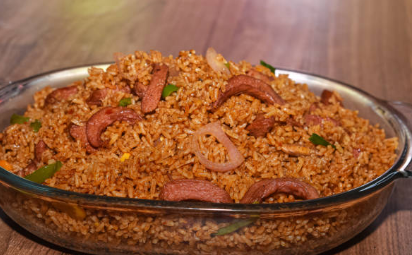
While Jollof rice has variations across different regions, its basic preparation method remains relatively consistent. Here’s a traditional step-by-step guide:
- Prepare the Ingredients: Chop vegetables such as onions, peppers, and tomatoes. Common spices include thyme, bay leaves, curry powder, etc.
- Cook the Sauce: In a pot, heat oil and sauté onions, peppers, tomatoes, and other vegetables, adding tomato paste and other spices to create a rich sauce.
- Cook the Rice: Add the washed rice into the pot and mix thoroughly with the sauce, adding an appropriate amount of water or broth to cook the rice.
- Add Protein: Depending on personal preference, you can add chicken, beef, or fish and cook them with the rice.
Regional Variations of Jollof Rice
Jollof rice has unique variations in different countries and regions of West Africa, with each version reflecting local culture and culinary traditions.
Ghanaian Jollof Rice The Ghanaian version of Jollof rice typically uses vegetable oil, onions, ginger, garlic, peppers, and tomato paste. The cooking process involves seasoning and steaming the meat (such as beef or chicken) before frying it with vegetables and then adding the rice to cook. Ghanaian Jollof rice usually does not include leafy greens and is often served with fried plantains or seasoned fried fish.
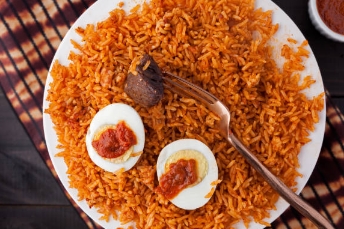
Nigerian Jollof Rice Nigerian Jollof rice is primarily made with long-grain rice like the Golden Basmati variety. The dish is distinguished by its use of blended tomatoes and tomato paste as the base sauce, with onions, peppers, thyme, bay leaves, and other spices. It’s commonly served with fried plantains, bean pudding, or other side dishes.
Senegalese Thieboudienne Senegal’s Thieboudienne is a classic variation of Jollof rice, recognized by UNESCO as part of the Intangible Cultural Heritage. It typically uses broken rice and smoked snails as the main ingredients, offering a distinctive flavor.
Cameroonian Version The Cameroonian Jollof rice is sometimes referred to as fried rice and often includes ingredients such as red peppers, carrots, green beans, and smoked chili powder. The flavor profile is rich and varied.
Cultural Significance and Global Influence of Jollof Rice
Jollof rice is more than just a dish in West Africa; it is a cultural symbol. Within West African countries, there exists a friendly competition known as the “Jollof Wars” regarding whose Jollof rice is the best. This rivalry not only drives innovation in the preparation of this dish but also fosters cultural pride.
In recent years, with the migration of West Africans around the world, Jollof rice has gained increasing popularity. In some Western countries, such as the United States and Canada, Jollof festivals are now held to celebrate the dish’s unique appeal. Furthermore, since 2015, “World Jollof Day” has gained widespread attention on social media, further promoting the global presence of Jollof rice.
How to Make Jollof Rice at Home
If you’d like to try making Jollof rice at home, here’s a simplified recipe to follow:
Ingredients
- 2 cups long-grain rice
- 1 onion (chopped)
- 2 red peppers (chopped)
- 2 tomatoes (chopped)
- 2 tablespoons tomato paste
- 3 tablespoons cooking oil
- Salt to taste
- 200 grams of chicken or beef (optional)
- Spices (e.g., thyme, bay leaves) to taste
Steps
- Prepare the Ingredients: Chop the onions, red peppers, and tomatoes. Cut the meat into pieces and marinate with a little salt and spices.
- Cook the Sauce: Heat oil in a pot, sauté the onions, then add the red peppers and tomatoes. Continue cooking, adding tomato paste and spices, to create a rich sauce.
- Cook the Rice: Add washed rice to the pot and mix well with the sauce. Add about 2.5 cups of water and cook until the water boils. Lower the heat, cover the pot, and let it simmer for 15-20 minutes until the rice is fully cooked.
- Add Meat: If using meat, you can fry it until browned before adding it to the rice to cook together.
- Serve: Once the rice is cooked, serve it hot. It can be paired with fried plantains or other side di
Jollof rice, with its rich flavors and diverse cultural background, has become one of West Africa’s most iconic dishes. Whether as a main course for family gatherings or a celebratory dish for special occasions, it offers an unforgettable culinary experience. If you’re interested in West African culture or cuisine, trying your hand at making this classic Jollof rice will let you experience its unique charm.
https://finet52.com/exploring-the-diverse-and-rich-flavors-of-african-cuisine-a-pillar-page-guide/
Related Posts
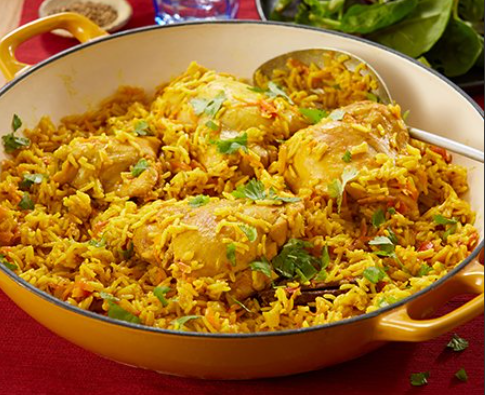
Exploring Somalia’s National Cuisine Bariis Iskukaris
This article has been updated and moved. Click here to…
Taste Archaeology: Five Timeless African Dishes from the Sahara to the Cape of Good Hope, Holding Humanity’s Oldest Cooking Secrets
This article has been updated and moved. Click here to…
The Wonderful World of African Fermented Beverages: Kunu, Zobo, and Ancient Flavors You May Not Know
This article has been updated and moved. Click here to…