https://finet52.com/the-ultimate-guide-to-exotic-african-tropical-fruits-flavors-nutrition-and-heritage/
When we think of tropical fruits, our minds often drift towards the familiar mango, pineapple, and banana. However, Africa’s tropical regions are home to many lesser-known, unique, and delicious fruits. These fruits not only play a crucial role in the local diet but are also gradually making their way to global tables, becoming favorites among food enthusiasts worldwide. If you’re eager to try some exotic African tropical fruits that you’ve probably never seen before, let’s take a closer look at these fascinating and flavorful wonders.
The Diversity and Uniqueness of African Tropical Fruits
The African continent boasts a rich tropical climate, especially in the rainforests of West Africa, East Africa, and Central Africa, where a vast array of unique fruits grow. These fruits come in various shapes and colors, some vibrant and eye-catching, others with unusual appearances. They are not only essential daily foods for locals but are also frequently used to make juices, sauces, desserts, and other delicious dishes. These fruits are packed with nutrients, providing a treasure trove of vitamins and minerals, and many are known for their traditional medicinal properties. As a result, they play an important role in African traditional medicine and are gradually entering the international market as fashionable superfoods.
Five African Tropical Fruits You’ve Probably Never Seen
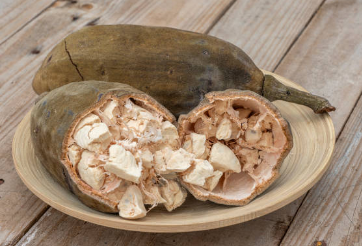
Baobab (Monkey Bread Fruit)
The Baobab fruit has a huge, hard shell that hides white powdery pulp inside. It’s rich in vitamin C, calcium, potassium, and antioxidants, making it a true superfood. The pulp has a slightly sweet and tangy taste and is often made into juice, puree, or powder. Besides the pulp, Baobab seeds are also used to produce oil.
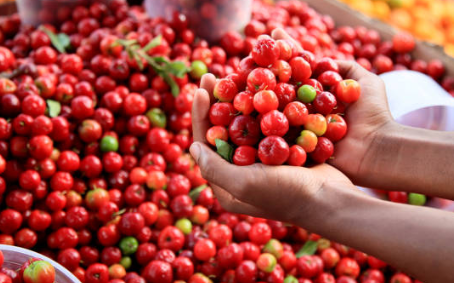
Acerola Cherry
Although called “cherry,” the Acerola Cherry is native to tropical America, but it is now widely found in Africa’s tropical regions as well. Acerola is packed with vitamin C, even more so than common citrus fruits. Its tangy-sweet taste makes it an ideal ingredient for fresh juice. In addition to being eaten fresh, Acerola is often processed into health supplements, candies, or jams.
Giant African Watermelon
The Giant African Watermelon is a large, distinctive fruit, resembling a regular watermelon but much larger in size. Its flesh is a bright red and very sweet, and it’s packed with water, making it a perfect thirst quencher. Besides being eaten fresh, this fruit can also be used in salads, juices, or as an ingredient in cooking.

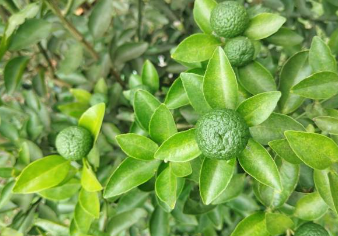
African Wild Lime
This small fruit resembles the common lime but has a much more intense flavor. The skin is green and smooth, and the taste is more potent than regular limes. The juice is commonly used to add flavor to dishes, beverages, and even in cooking. It is also rich in antioxidants and is often included in beauty products and health supplements.
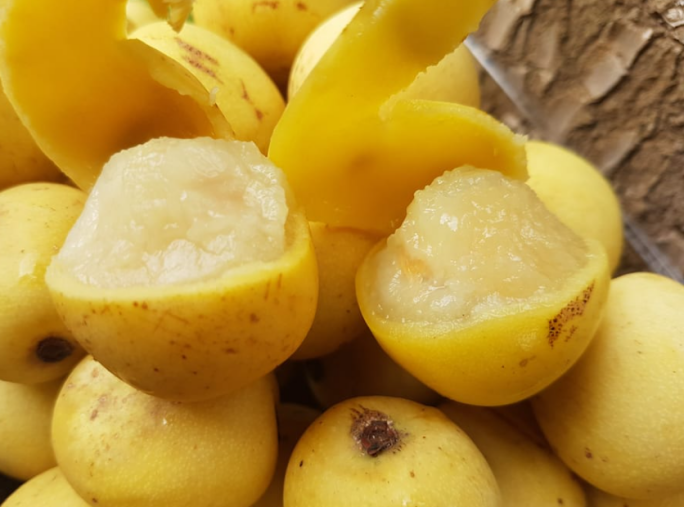
Marula (White Fruit)
Native to Southern Africa, the Marula fruit is treasured for its sweet, slightly tangy pulp and rich nutritional value. The fruit has a pale green or yellow skin, and its pulp is enjoyed fresh or used to make Marula liquor, one of Africa’s most famous spirits. Additionally, the seeds can be pressed for oil used in skincare products.
Health Benefits of These Fruits
These African tropical fruits not only offer unique flavors but also significant health benefits. For instance, Baobab is rich in vitamin C, calcium, and iron, which help boost immunity, promote bone health, and improve blood circulation. Acerola’s antioxidants help fight free radicals and slow down the aging process. The high water content in the Giant African Watermelon helps maintain hydration and aids in detoxification. The natural acidity of African Wild Lime promotes digestion and cleanses the intestines, while Marula is celebrated for its antibacterial and anti-inflammatory properties.
These fruits are not just delicious; they have deep historical significance in African culture and are making a huge impact in modern health diets.
How to Incorporate These Fruits Into Your Diet
While these fruits are mostly native to Africa, with globalization, more international markets are beginning to embrace these exotic tropical fruits. You can find them through specialized importers or online stores.
- Baobab powder can be added to your breakfast oatmeal, mixed into yogurt, or blended into juices.
- Acerola cherries can be made into fresh juice or eaten as a snack, often complementing beverages.
- Giant African Watermelon is perfect for the summer, sliced and added to salads or made into juice.
- African Wild Lime can enhance the flavor of drinks or serve as a seasoning in cooking.
- Marula fruit can be eaten fresh or used in desserts, and its seeds can be pressed for skincare oil.
These fruits will not only diversify your diet but also add a tropical boost to your health.
African tropical fruits offer unique flavors and rich nutritional value. They are not only culinary delights but also health treasures. If you ever have the chance to taste these lesser-known fruits, don’t hesitate to try them and experience the tropical miracles of Africa.
https://finet52.com/the-ultimate-guide-to-exotic-african-tropical-fruits-flavors-nutrition-and-heritage/
Related Posts

The mystery of the ‘Tree of Life’: baobab fruit
This article has been updated and moved. Click here to…
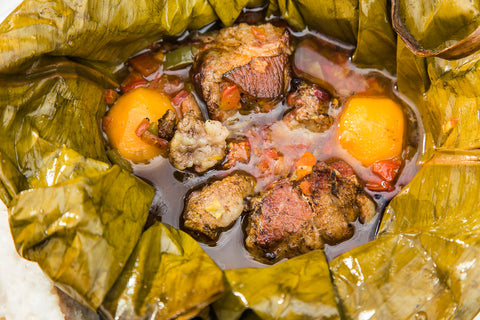
Luwombo, Uganda: A slow-cooked delicacy and cultural treasure wrapped in banana leaves
This article has been updated and moved. Click here to…
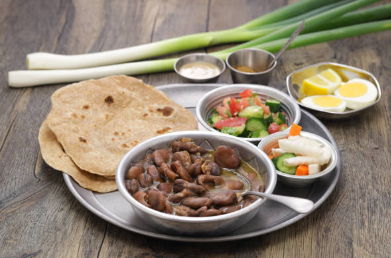
Breakfast Traditions and Cuisine Across Africa
This article has been updated and moved. Click here to…