https://finet52.com/the-ultimate-guide-to-african-culinary-heritage-from-ancient-grains-to-coastal-delights/
Africa, a vast and mysterious continent, boasts a rich and diverse culture, with breakfast—being the start of the day—showing distinct characteristics in different regions. From the desert edges in North Africa to the tropical coastlines in the South, the breakfast habits and foods across Africa are like shining pearls scattered across the continent, each reflecting the local geography, available ingredients, and deep cultural heritage. Today, let’s embark on this unique culinary journey and explore the breakfast secrets from various parts of Africa.
North Africa: A Fusion of Tradition and Innovation
Egypt: Ful Medames and Baladi Bread in the Morning
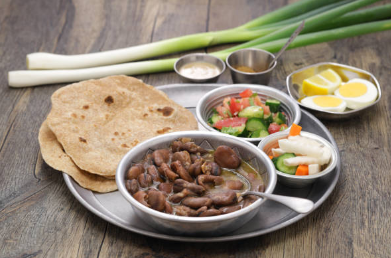
In Egypt, Ful Medames (fava bean paste) is considered a national breakfast staple. With a long history, it is a simple yet flavorful dish. Fava beans are soaked overnight and then cooked, mashed into a paste with olive oil, lemon juice, garlic, cumin, and other spices. The texture is dense, and the flavor rich, providing a good amount of protein for the hot Egyptian climate. Ful Medames is typically served with locally baked Baladi bread. The bread is crispy on the outside and soft on the inside, perfect for dipping into the bean paste. Every bite offers a fusion of Egypt’s unique spices and the wholesome aroma of wheat. Many Egyptians purchase Ful Medames and Baladi bread from street vendors, sitting on small stools, chatting with neighbors while enjoying their meal, and starting a day full of warmth and community.
Morocco: A Refreshing Pair of Mint Tea and Couscous

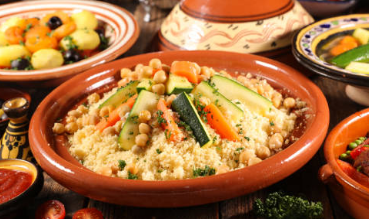
Moroccan breakfasts are infused with exotic charm. Moroccan mint tea is an essential drink, made with fresh mint leaves, green tea, and a generous amount of sugar, brewed using a special long-spouted teapot. The tea swirls between high and low in the pot, releasing a fresh, fragrant aroma. It is not only refreshing but also helps with digestion and offers a mild energizing effect. Couscous, made from steamed semolina wheat, is a regular feature in the morning meal. It is soft, slightly sticky, and usually served with a mix of vegetables, meat, or beans. The vibrant colors and balanced nutrition make it a popular choice. Families often gather around the table, enjoying couscous alongside mint tea, and immersing themselves in the warm family atmosphere and the unique cultural essence of Morocco.
Moroccan breakfasts are infused with exotic charm. Moroccan mint tea is an essential drink, made with fresh mint leaves, green tea, and a generous amount of sugar, brewed using a special long-spouted teapot. The tea swirls between high and low in the pot, releasing a fresh, fragrant aroma. It is not only refreshing but also helps with digestion and offers a mild energizing effect. Couscous, made from steamed semolina wheat, is a regular feature in the morning meal. It is soft, slightly sticky, and usually served with a mix of vegetables, meat, or beans. The vibrant colors and balanced nutrition make it a popular choice. Families often gather around the table, enjoying couscous alongside mint tea, and immersing themselves in the warm family atmosphere and the unique cultural essence of Morocco.
Moroccan breakfasts are infused with exotic charm. Moroccan mint tea is an essential drink, made with fresh mint leaves, green tea, and a generous amount of sugar, brewed using a special long-spouted teapot. The tea swirls between high and low in the pot, releasing a fresh, fragrant aroma. It is not only refreshing but also helps with digestion and offers a mild energizing effect. Couscous, made from steamed semolina wheat, is a regular feature in the morning meal. It is soft, slightly sticky, and usually served with a mix of vegetables, meat, or beans. The vibrant colors and balanced nutrition make it a popular choice. Families often gather around the table, enjoying couscous alongside mint tea, and immersing themselves in the warm family atmosphere and the unique cultural essence of Morocco.
East Africa: A Healthy and Energizing Start
Kenya: Ugali and Roasted Meat for an Energy Boost
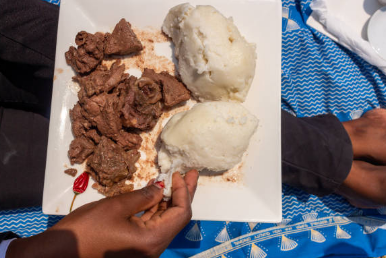
In Kenya, Ugali, a staple breakfast dish, takes center stage. Made from cornmeal, Ugali is prepared by stirring cornmeal into boiling water until it forms a thick dough-like consistency. It is firm in texture and straightforward in flavor. Ugali is typically paired with roasted meat, which is famous in Kenya for its unique cooking methods and seasoning. Fresh beef, lamb, or chicken is marinated with local spices like rosemary, garlic, and chili, then roasted over an open flame, resulting in a golden, crispy exterior and juicy interior. Ugali soaks up the savory juices from the meat, making for a hearty and energizing breakfast that fuels Kenyans for the busy day ahead while reflecting their love for simple, flavorful ingredients and cooking techniques.
South Africa: A Collision of Diverse Culinary Cultures
South Africa: Boer Bread and Coffee for a Relaxing Morning
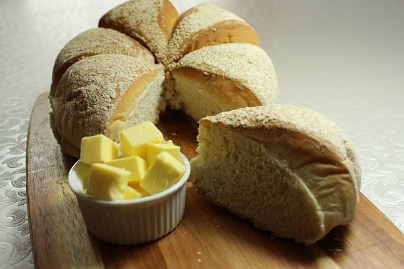
Boer bread is a popular breakfast choice in South Africa. This large, round bread has a crispy crust and a soft, tender interior. The bread is often made with ingredients like milk and eggs, adding richness to the texture. Boer bread can be eaten on its own or paired with butter, jam, or cheese. Accompanying the bread is often a cup of strong coffee, reflecting the European influence on South Africa’s coffee culture. South Africans enjoy sipping their coffee at a leisurely pace during breakfast, appreciating the quiet moments of the morning. In some small towns, local coffee shops are filled with people eating Boer bread and sipping coffee, engaging in conversations about life, creating a unique breakfast scene in South Africa.
The breakfast habits and foods across Africa vividly embody the continent’s cultural diversity. From the spicy flavors of North Africa to the energizing foods of East Africa, and the multicultural fusion of South Africa, each breakfast carries the life wisdom and cultural traditions of its people. Tasting these breakfasts is like opening a window to understand Africa, giving us a glimpse into the vibrant and diverse life canvas of this continent.
https://finet52.com/the-ultimate-guide-to-african-culinary-heritage-from-ancient-grains-to-coastal-delights/
Related Posts
The Banana Kingdom of Uganda: How can a banana become the soul of a country?
This article has been updated and moved. Click here to…
Bastilla: A Taste Legend of Sweetness and Saltiness
This article has been updated and moved. Click here to…
Taste Archaeology: Five Timeless African Dishes from the Sahara to the Cape of Good Hope, Holding Humanity’s Oldest Cooking Secrets
This article has been updated and moved. Click here to…