https://finet52.com/a-guide-to-traditional-african-beverages-culture-in-a-cup/
When it comes to natural beverages in Africa, many people first think of the cool and sour Zobo, or the warm and spicy Kunu. But this is only a part of African fermented beverages. Today, let’s talk about the beauty of African fermented beverages and see how they inherit African flavors
1. Kunu: a cooling tool for grain fermentation

Kunu is the “national drink” of northern Nigeria, made from grains such as millet and sorghum. When making Kunu, soak the grains for a few hours, then crush them with ginger and cloves, filter them, and ferment overnight. The next day, you can have a refreshing drink with a light sour and sweet taste. The aroma of grains mixed with the slight spiciness of spices is particularly suitable for hot weather. Moreover, Kunu is rich in fiber and vitamins, which can not only quench thirst but also replenish energy. Local people can immediately recover their energy by drinking a cup after finishing their farm work.
2. Zobo: Red romance brewed from hibiscus flowers
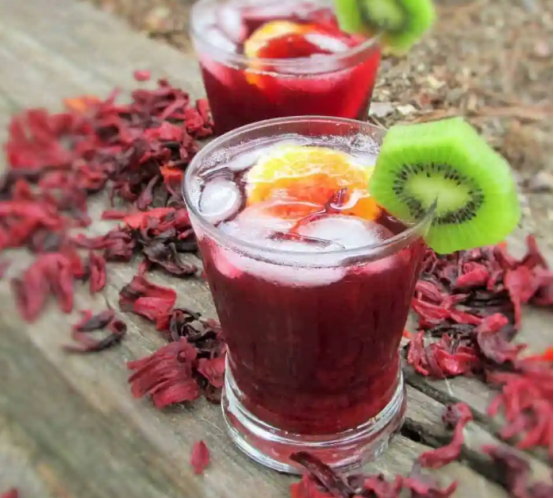
Zobo’s color is particularly eye-catching, red like a sunset glow. It is brewed with dried hibiscus flowers, seasoned with sugar and ginger, and chilled to a sweet and sour taste. It is particularly satisfying to drink in summer. Zobo is not only beautiful, but also very healthy, containing a lot of vitamin C and antioxidants, and is said to have the effect of lowering blood pressure. In the markets of West Africa, it is common to see vendors pushing large jars filled with Zobo, their vibrant colors resembling the enthusiasm of the locals.
3. And these interesting fermented drinks
Africa’s fermented beverages are far more than Kunu and Zobo, each place has its own ‘secret weapon’:
Mahewu: A corn fermented beverage from South Africa with a slightly sour taste that can be consumed as both water and food, making it particularly satisfying.
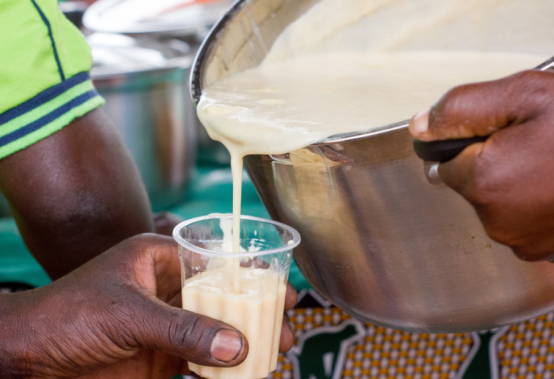
Bushera: Uganda’s fermented millet beverage, thick like yogurt and slightly sour with fermentation, is a must-have for holiday dinners.
Ogi: Nigeria’s fermented corn Congee, diluted and turned into a breakfast drink, with a light sour taste in its smooth taste.
Togwa: A fermented millet drink from Tanzania that balances sweetness and sourness with honey. Locals call it “liquid bread”.
The ingredients of these drinks are very ordinary, but fermentation makes them extraordinary. Behind every beverage lies the local wisdom of life, such as using the simplest methods to preserve food or using natural ingredients to create rich flavors.
Why try these fermented drinks?
Fermentation not only makes food taste better, but also helps with digestion. Most of these fermented beverages in Africa are low in sugar and rich in probiotics, which are very friendly to the intestines. More importantly, with every sip, one can feel the culture of Africa. For example, when drinking Kunu, one can imagine the nomadic life on the northern grasslands; When drinking Zobo, it’s like seeing the bustling scene of West African markets.
https://finet52.com/a-guide-to-traditional-african-beverages-culture-in-a-cup/
Related Posts

Taste Archaeology: Five Timeless African Dishes from the Sahara to the Cape of Good Hope, Holding Humanity’s Oldest Cooking Secrets
This article has been updated and moved. Click here to…
Zimbabwe’s Delicious Legend: Sadza and Its Stewed Meat Companion
This article has been updated and moved. Click here to…

Jollof Rice: The Controversial King of Deliciousness
This article has been updated and moved. Click here to…