https://finet52.com/the-heart-of-africas-harvest-unveiling-ugandas-banana-kingdom-baobabs-ancient-secrets/
Uganda is known as the ‘Pearl of Africa’, and its banana culture is definitely the brightest star here. On average, each Ugandan eats 350 kilograms of bananas per year, which is equivalent to nearly 1 kilogram per day! Bananas are not just fruits here, but also the protagonists of life and symbols of culture. Today, let’s talk about how Ugandans make bananas come in various ways, even creating a sense of ceremony.
1、Banana’s African Past: From Arab Merchants to Churchill’s Astonishing
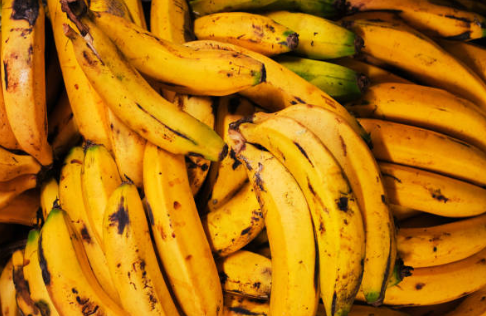
Bananas actually originated in Southeast Asia, but as early as the 6th century BC, Arab merchants brought them to East Africa. The banana culture in Uganda took root and sprouted from then on. Interestingly, the word ‘banana’ comes from the Arabic word for ‘finger’ because bananas look like fingers.
In 1907, during his visit to Uganda, British Prime Minister Churchill couldn’t help but exclaim that Kampala was covered in banana plantations and was a ‘hidden city under banana leaves’. Since then, bananas have become a cultural calling card of Uganda, even Churchill was impressed by its charm.
2、 Plantain vs. Bananas: The Ultimate Choice for Ugandans
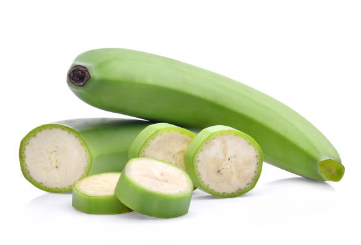
Bananas in Uganda are different from what we usually eat, and the most popular one here is plantain. Bananas are larger in size and have a high starch content, so they must be cooked before they can be eaten. And ordinary bananas are sweet, the sweeter they become as they ripen. Ugandans have mastered eighteen martial arts of eating plantains: steaming, boiling, grilling, frying, and even making them into beer! It has to be said that they have truly maximized the potential of plantain.
3. Matooke: The soul of Uganda’s national cuisine
In Uganda, the most classic way of eating is undoubtedly Matooke. The recipe for this Chinese dish is very interesting: wrap the plantain in banana leaves, boil it, cool it, peel it, then stew it with a sauce made from onions, tomatoes, peppers, etc., and finally mash it into a paste. The taste is dense and rich, and the locals say, ‘If you don’t eat Matooke, it’s like not eating.’ Whether it’s a home cooked meal or a holiday feast, Matooke is the absolute protagonist.
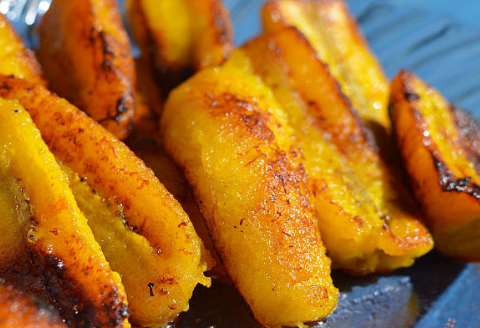
In addition to Matooke, there are various banana delicacies on the streets and alleys of Uganda: roasted plantain, fried banana slices, banana cake, and even banana juice. The most outstanding is Tonto, a banana beer brewed from fermented bananas and sorghum, with a sweet and sour fruity aroma, which is a must-have drink in traditional ceremonies. Although more and more people are choosing cheaper wines nowadays, Tonto remains an important symbol of Ugandan culture.
4、 The cultural code behind bananas
Bananas are not just food in Uganda, but also a part of life. At the wedding, the groom should prepare three gourds of banana beer as a betrothal gift; In the fields, banana trees are natural sunshades; Even the way bananas are transported is full of creativity – people string bananas together, top them on their heads or hang them on bicycles, forming a unique scenic line.
The banana culture in Uganda is a microcosm of the collision between African land and foreign civilizations. From the introduction of Arab merchants to the innovation of local wisdom, bananas have become a link between history and the present here. Next time you go to Uganda, be sure to try Matooke, take a sip of Tonto, and experience how bananas elevate from fruit to the soul flavor of a country. After all, in this’ Banana Kingdom ‘, every bite is a cultural inheritance, and every drop is a gift from the land.
https://finet52.com/the-heart-of-africas-harvest-unveiling-ugandas-banana-kingdom-baobabs-ancient-secrets/
Related Posts
Site Migration Notice – African Culinary Heritage
Important Site Update The content of this site has been…

Exploring Somalia’s National Cuisine Bariis Iskukaris
This article has been updated and moved. Click here to…