https://finet52.com/exploring-the-diverse-and-rich-flavors-of-african-cuisine-a-pillar-page-guide/
The Congo, located in Central Africa, is a country rich in culture and diverse natural landscapes. Congolese cuisine is influenced by the local abundance of ingredients, history, customs, and ethnic groups, offering a unique blend of flavors. From freshly picked ingredients in the heart of the forest to the lively street food scene and grand festive feasts, Congolese dishes are bursting with history and culture. Let’s take a journey into the kitchens of Congo and explore some must-try delicacies.
The Core Ingredients and Culinary Culture of Congolese Cuisine
Nature’s Gift: The Uniqueness of Congolese Ingredients
Congolese cuisine is deeply tied to the local environment. The fertile soil and warm, humid climate provide an ideal growing condition for a variety of tropical fruits, root vegetables, leafy greens, and abundant fish and meat. Common ingredients include rice, maize, cassava, bananas, sweet potatoes, and various tropical fruits such as mangoes and papayas.
Cassava is a staple in the traditional Congolese diet. It is often served as a side dish or transformed into cassava flour, which is used in various flavorful dishes.
Cooking Culture: Simple Yet Flavorful Traditional Techniques
Congolese cooking is characterized by simplicity and preserving the natural taste of ingredients. Locals often cook using traditional methods like charcoal stoves, wood-fired ovens, or clay stoves, keeping the food’s original flavors intact. Many dishes are prepared by stewing, grilling, or steaming, which helps retain the unique textures and nutritional value of the ingredients. Fresh, seasonal ingredients are a central aspect of Congolese cooking, with meals changing based on what is available throughout the year.
Must-Try Classic Congolese Dishes
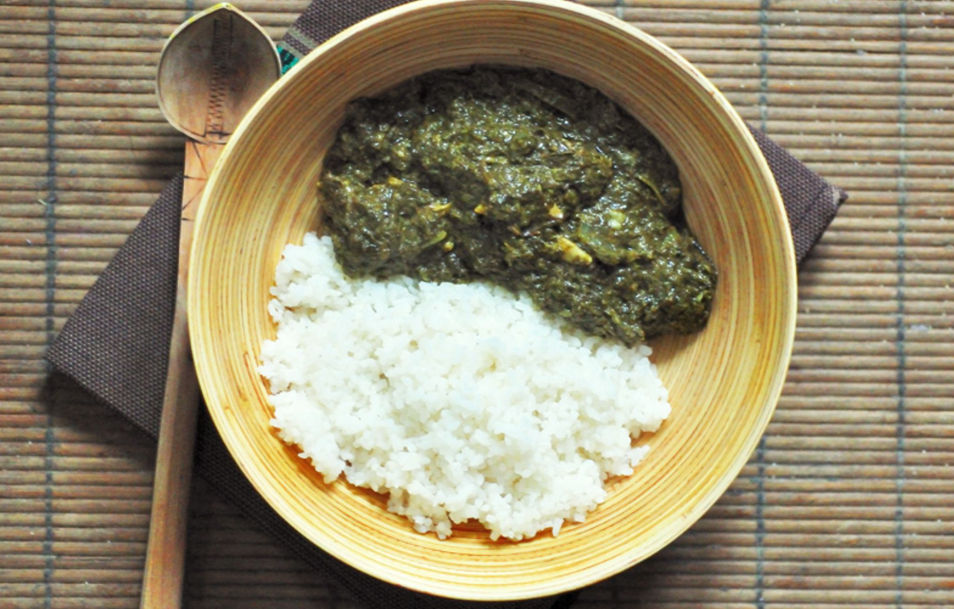
Saka Saka (Cassava Leaf Stew)
Saka Saka is one of the iconic traditional dishes of Congo. Its main ingredient is cassava leaves, which are slow-cooked to bring out the rich flavor of the greens. The dish is often combined with fish, meat, or beans and seasoned with garlic, onions, and peppers for a savory and nutritious meal. Many Congolese families prepare this dish during festive occasions to serve to friends and family, making it a staple in local cuisine.
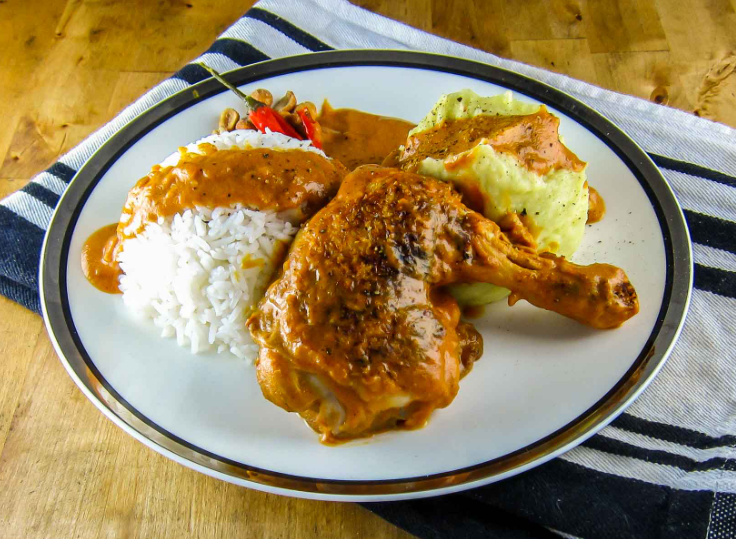
Poulet Moambe (Congolese Stew Chicken)
Poulet Moambe is one of Congo’s national dishes and a local favorite. The dish features a unique ingredient from Congo—African palm fruit (Moambe), known for its sticky texture and rich flavor, which is used as the base for the stew. The tender chicken absorbs the deep, flavorful Moambe sauce, making it a dish that’s both rich and layered in taste. Poulet Moambe is often served during important celebrations and is a must-have dish when hosting guests in Congo.
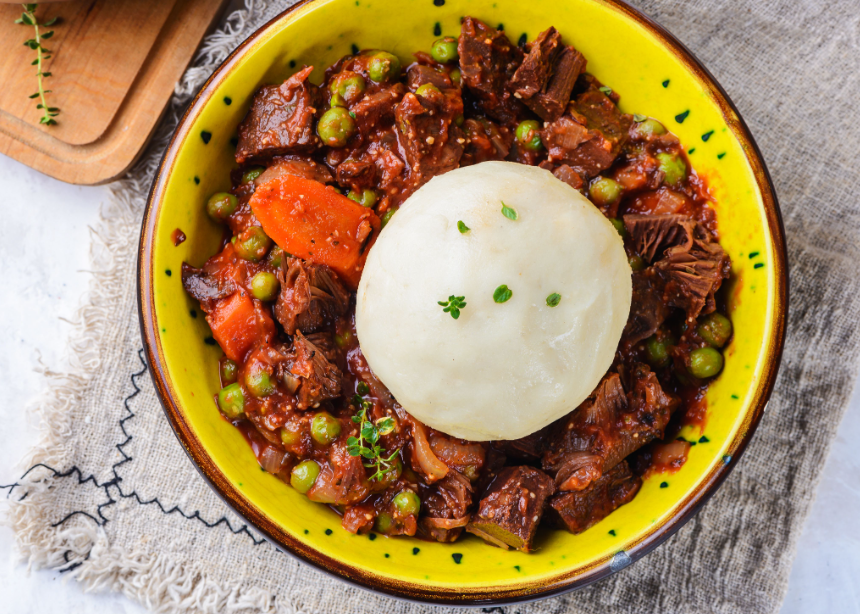
Fufu (Cassava Paste)
Fufu is another staple in Congolese cuisine, typically served as a side dish to accompany meats, fish, or stews. It is made by cooking cassava and mashing it into a smooth, elastic paste. Though Fufu itself is relatively mild in flavor, its chewy texture allows it to absorb sauces and broths, making it an essential part of the Congolese dining experience.
Ngiri (Fermented Fish)
Ngiri is a traditional Congolese dish made with small freshwater fish that are fermented and smoked. Its strong, slightly sour flavor makes it an acquired taste, often paired with rice or Fufu. Ngiri is not only a culinary delight but also an example of the Congolese tradition of preserving food, reflecting the resourcefulness of the people in preserving fish for longer periods.
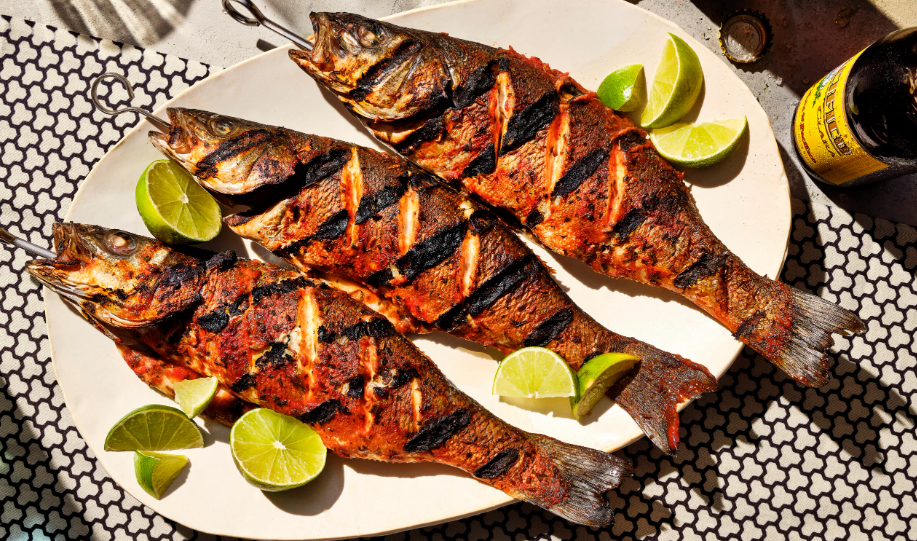
Grilled Fish
Given Congo’s location near rivers and lakes, fresh fish is a common ingredient on the local menu. Locals love grilling fish, especially over charcoal, which gives it a crispy skin and tender meat. The grilled fish is often paired with spicy pepper sauces or lemon juice, delivering an irresistible burst of flavor.
Pili Pili (Chili Sauce)
Pili Pili is an essential condiment in Congolese cuisine. Made from fresh chilies, garli
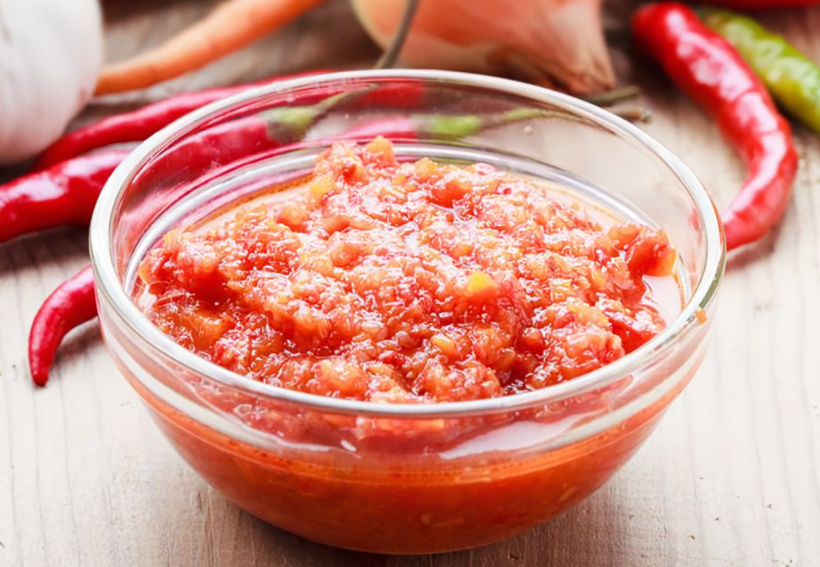
c, ginger, tomatoes, and other spices, Pili Pili is a fiery and aromatic sauce that complements nearly every dish, whether it’s grilled fish, grilled meats, rice, or Fufu. It’s the soul of Congolese cooking, adding an extra layer of depth to the meals.
Cultural and Social Significance of Congolese Food
Food as a Social Bond
In Congo, food is not just a part of daily life; it symbolizes social interaction and unity. Whether it’s family meals, gatherings with friends, or festive celebrations, the Congolese love to gather around the table and share delicious food. This communal eating culture strengthens relationships, deepens family bonds, and makes food an important bridge for socializing and connecting with others.
Congolese cuisine is a microcosm of African culinary culture, showcasing the richness of tropical ingredients and expert cooking techniques. From the hearty stews to the street-side snacks, every dish tells the story of the people of Congo. Whether you’re savoring authentic Congolese food or attempting to make it yourself, these delicious dishes promise a new and exciting culinary experience.
https://finet52.com/exploring-the-diverse-and-rich-flavors-of-african-cuisine-a-pillar-page-guide/
Related Posts
Exotic African Tropical Fruits You Probably Haven’t Seen Before
This article has been updated and moved. Click here to…
Site Migration Notice – African Culinary Heritage
Important Site Update The content of this site has been…
Bastilla: A Taste Legend of Sweetness and Saltiness
This article has been updated and moved. Click here to…