https://finet52.com/the-heart-of-africas-harvest-unveiling-ugandas-banana-kingdom-baobabs-ancient-secrets/
In the grasslands and deserts of Africa, there is a peculiar tree that grows with a trunk as thick as a giant water bucket, but its branches extend upwards like tree roots, like an “upside down tree.” This is the baobab tree, known as the “tree of life,” and its fruit—baobab fruit—is a “natural treasure” of the African continent. Today, we will unveil the veil of this magical fruit.
1. What does a baobab fruit look like?
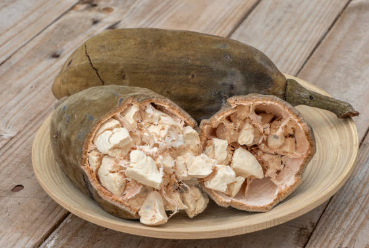
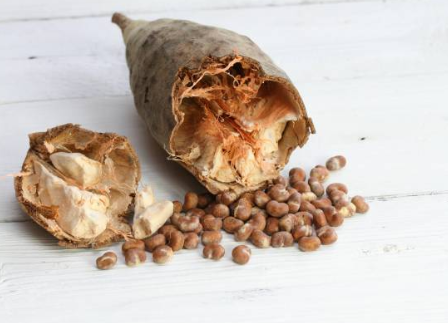
The baobab fruit is the fruit of the baobab tree, which looks like a furry football with a hard and prickly outer shell. After maturity, the fruit will fall from the tree, revealing white flesh and black seeds inside. The flesh has a sweet and sour taste, resembling a mixture of citrus and banana, while the seeds can be roasted and taste like peanuts.
2. Why is it said to be a gift from the ‘Tree of Life’?
Super strong water storage capacity
The trunk of the baobab tree can store a large amount of water, and even during dry seasons, it can provide water sources for humans and animals. The flesh of baobab fruit contains abundant water and nutrients, making it an important supplement for Africans during food shortages.
The nutritional value of “superfoods”
Despite its unremarkable appearance, the baobab fruit is exceptionally rich in nutrients
The vitamin C content is 6 times that of oranges, which helps enhance immunity;
The calcium content is twice that of milk, suitable for supplementing bone health;
Rich in dietary fiber, it can promote intestinal peristalsis and help digestion.
In some impoverished areas of Africa, baobab fruits are even made into nutritional supplements to improve malnutrition in children.
3. The wonderful uses of baobab fruit
From food to a ‘universal tool’
Direct consumption: Ripe pulp can be eaten directly, mixed with yogurt, or cooked with congee.
Making “Monkey Bread Powder”: dried and ground the pulp into powder, which can be preserved for a long time. It is convenient and nutritious to add when cooking congee or baking bread.
The wonderful use of seeds: seeds can be used to extract oil for cooking or making skincare products; grilled seeds can also be eaten as snacks.
Part of African culture
In many tribes in Africa, the baobab tree is considered a sacred symbol. People hold ceremonies, tell stories, and even make ropes and fabrics from tree bark under trees. Monkey bread fruit also often appears in traditional festivals and weddings, symbolizing life and harvest.
4. The challenge of protecting the ‘Tree of Life’
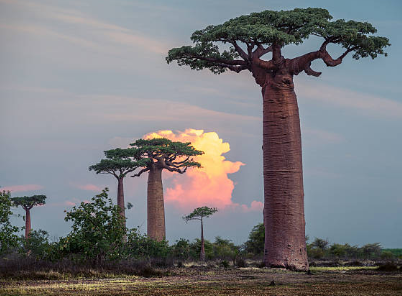
Despite the miraculous nature of the baobab fruit, the survival of the baobab tree is under threat. The drought, excessive logging, and habitat destruction caused by climate change have made this ancient tree species increasingly rare. Nowadays, many African countries and environmental organizations are working hard to protect the baobab tree, promote sustainable planting and harvesting methods, and hope that this “tree of life” can continue to bring vitality to the African continent.
Monkey bread fruit is a generous gift from nature to Africa. It is not only a “life-saving food” for the local people, but also an important symbol of African culture and ecology. Next time you hear the name ‘baobab fruit,’, imagine the sturdy tree on the African savannah and how it nourished countless lives with a single fruit. Protecting the baobab tree is protecting the miracle of life on this land.
https://finet52.com/the-heart-of-africas-harvest-unveiling-ugandas-banana-kingdom-baobabs-ancient-secrets/
Related Posts
The Banana Kingdom of Uganda: How can a banana become the soul of a country?
This article has been updated and moved. Click here to…
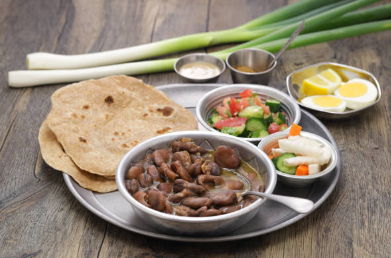
Breakfast Traditions and Cuisine Across Africa
This article has been updated and moved. Click here to…
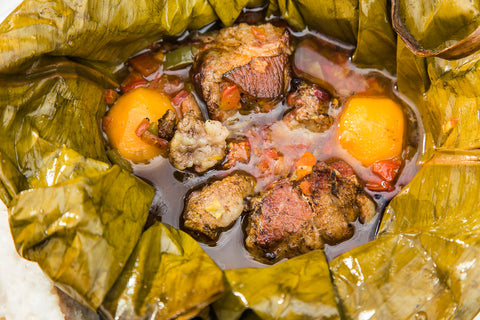
Luwombo, Uganda: A slow-cooked delicacy and cultural treasure wrapped in banana leaves
This article has been updated and moved. Click here to…