https://finet52.com/the-ultimate-guide-to-african-culinary-heritage-from-ancient-grains-to-coastal-delights/
While European chefs were still debating the thickness of molecular gastronomy foam, African mothers, using ancient clay pots and fire, safeguarded humanity’s oldest taste genes. Here, every gram of spice could rewrite the chapters of global food history. Africa is home to over 2,000 native ingredients not systematically recorded by the international culinary world, and Ethiopia’s fermentation techniques predate European beer by 3,000 years. Today, let’s explore the underestimated timeless dishes of Africa.
1. North African Wisdom: Moroccan Tagine
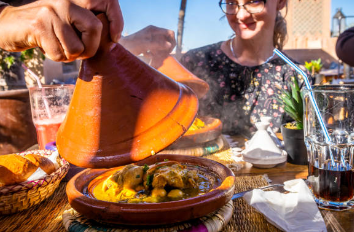
Moroccan Tagine is a unique cooking method that originates from the desert regions of North Africa. The conical ceramic lid of the Tagine pot is ingeniously designed to create a condensation loop, allowing food to cook at a constant temperature of 110°C, creating a self-sustaining steaming process. This design locks in nutrients and moisture, ensuring food remains fresh even in the arid desert environment. The spice matrix used in Tagine is also unique, with the golden triangle combination of saffron, turmeric, and cinnamon, adding richness to the flavor while inhibiting bacterial growth at high temperatures, ensuring food safety.
In Moroccan family gatherings, Tagine dishes are often the most anticipated part. Family members gather around a low table, and the order of serving lamb entrails determines the seating hierarchy—a traditional family ritual. Over time, Tagine has also found its place in modern dining. Michelin-starred restaurants in Paris combine traditional Tagine with modern cooking techniques, slow-cooking French foie gras in a Tagine pot, creating unique French Tagine dishes that breathe new life into this ancient cooking method.
2. West African Soul: Nigerian Egusi Soup
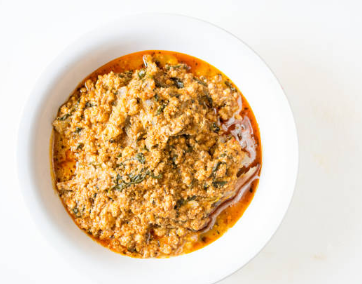
Nigerian Egusi Soup is one of the most representative dishes of West African cuisine. Its core ingredient is ground watermelon seeds (Egusi). Rich in protein, with 18 grams of protein per 100 grams, and three times more calcium than milk, Egusi is an essential plant protein source for locals. During cooking, fermented African nutmeg (Ehuru) is the secret weapon, activating umami receptors and enhancing the soup’s flavor.
At Nigerian weddings, Egusi Soup is a staple dish. The soup’s viscous texture symbolizes the strength of marriage, and it carries well wishes for the newlyweds’ happy life. Street vendors use wooden spoons to tap ceramic bowls to indicate the level of spiciness, a unique form of communication that has become part of street culture. As society evolves, Egusi Soup has also undergone modernization, with versions including cream and cheese, favored by the younger generation.
3. East African Treasure: Ethiopian Injera
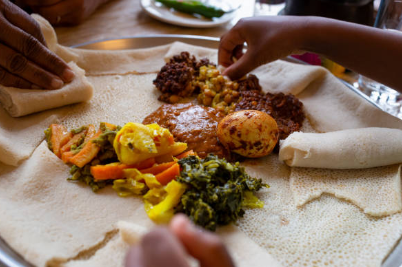
Ethiopian Injera is a traditional fermented bread made from teff flour, a gluten-free grain that grows only in the Ethiopian highlands. After three days of fermentation, the teff flour produces natural yeast, giving Injera its distinctive sour taste and soft texture. The honeycomb structure of Injera, with 32 holes per square centimeter, allows it to perfectly absorb sauces, making it an essential part of Ethiopian cuisine.
In Ethiopia, Injera is more than just food; it is a social tool. People typically place Injera on a shared plate, tear off a piece with their fingers, wrap it around sauces and vegetables, and hand it to someone they wish to communicate with. This gesture symbolizes sharing and interaction. In recent years, Injera has also gained international attention, with New York’s fitness community dubbing it the “probiotic pancake” due to its beneficial bacteria that support digestive health.
4. South African Flames: Zulu Braai Barbecue

Zulu Braai Barbecue is a representative South African dish that originates from the Zulu tribe’s traditions. The choice of wood is critical in Braai cooking, with acacia wood being the preferred option. Its smoky phenolic compounds can increase the meat’s antioxidant properties by 45%, making it more flavorful. During the barbecue, cow hearts are offered to warriors, livers to elders, and fat to children—an age-old rule of food distribution that symbolizes respect for different roles.
With the advancement of technology, Braai Barbecue has evolved. In Cape Town, “digital Braai” has emerged, using laser thermometers to control the heat zones, making barbecuing more precise. However, this modern approach has sparked controversy, with traditionalists arguing that it loses the original charm of Braai cooking. Meanwhile, conservation groups are promoting the “Virtual Braai” NFT, hoping to reduce wildlife poaching and protect the environment.
5. Central African Secret: Congolese Cassava Bread (Kwanga)
Congolese Cassava Bread is a traditional jungle food made from cassava, which contains cyanide. To transform this toxic plant into a safe staple, locals have developed a unique processing method: soaking the cassava in running water for seven days, then wrapping it in banana leaves and smoking it, allowing it to be stored for six months in the tropical climate. This ingenious solution not only addresses food shortages but also adds a unique flavor to Congolese cuisine.
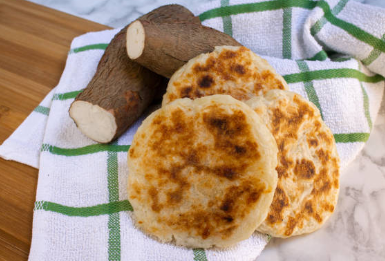
However, with modernization, the traditional methods of making Kwanga are at risk of disappearing. The younger generation prefers fast-food bread, and fewer than 2% of people still know how to make it. To preserve this traditional food, Congolese chefs are experimenting with using Kwanga in modern dishes, like French mille-feuille, to help the younger generation rediscover and appreciate this traditional delicacy.
The Revelation of African Cuisine
African cuisine is not only unique in flavor but also rich in wisdom and culture. The water-saving wisdom of the desert Tagine provides new ideas for combating climate change, traditional African fermentation could offer alternative antibiotics, and incorporating “food poaching” into cultural heritage protection brings new hope to the food equity movement.
https://finet52.com/the-ultimate-guide-to-african-culinary-heritage-from-ancient-grains-to-coastal-delights/
Related Posts
Biltong: Legend of South African Dried Meat
This article has been updated and moved. Click here to…
The Banana Kingdom of Uganda: How can a banana become the soul of a country?
This article has been updated and moved. Click here to…
Unveiling African Vegetarian Culture: Delicious and Healthy
This article has been updated and moved. Click here to…