https://finet52.com/the-ultimate-guide-to-african-culinary-heritage-from-ancient-grains-to-coastal-delights/
African vegetarian culture, rooted in rich history and tradition, has experienced a resurgence in recent years due to its health and environmental benefits. Whether in bustling market streets or on family dinner tables, meals composed of green vegetables, legumes, whole grains, and fermented foods are not only full of flavor but also reflect the African people’s respect for nature and life. For readers interested in vegetarian dietary guidelines , African vegetarian culture offers a window into healthy plant-based diets and practical inspiration for combining deliciousness with health.
The History and Modern Revival of African Vegetarian Culture
African vegetarianism isn’t a new trend, but rather a return to traditional dietary practices. Archaeological research reveals that as early as 15,000 years ago, the diets of Moroccan cave dwellers primarily consisted of wild plants, such as sweet oak, pine nuts, pistachios, oats, and beans. These early dietary habits reflected a reliance on natural ingredients and a profound sense of resourcefulness.
In recent years, traditional vegetarian cuisine has experienced a modern resurgence in African cities. For example, some high-end seaside restaurants in Dakar, Senegal, have begun adding vegetarian options like salads and eggplant sandwiches to their fish-heavy menus. The app Happy Cow lists over 900 African restaurants offering vegan cuisine, over half of which opened in the past two years. Chef Nicola Kagoro’s “African Vegan Food for the Poor” movement demonstrates that vegan African cuisine can be both affordable and delicious, highlighting the social significance of food.
The Healthy Secrets of African Vegetarianism
Scientific research strongly supports the health benefits of African vegetarian diets. In April 2025, Nature Medicine published a randomized controlled trial, the first systematic evaluation of the health effects of a traditional African diet. The study showed that dietary changes of just two weeks significantly impacted inflammation levels and immune responses:
Participants who switched from a traditional African diet to a Western diet (processed meats, pizza, French fries) had increased inflammatory markers and a weakened immune response.
Participants who switched from a Western diet to a traditional African diet experienced significant anti-inflammatory effects, with some of the positive changes persisting four weeks after the intervention ended.
The group that added the traditional fermented beverage Mbege to the Western diet also showed significant anti-inflammatory effects.
Nutrition experts point out that traditional African diets have many similarities with the Mediterranean diet: both emphasize whole plant foods and are rich in dietary fiber and anti-inflammatory compounds such as polyphenols, which help reduce chronic inflammation.
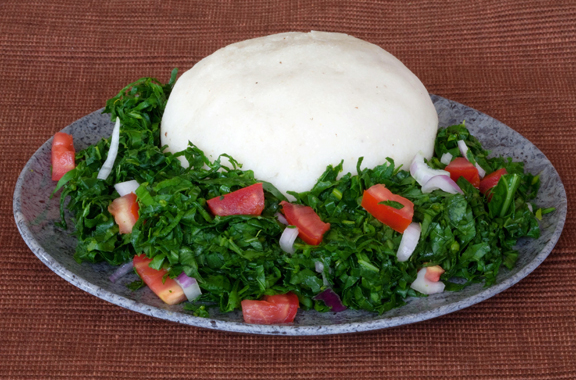
Representative African vegetarian cuisine
African vegetarian cuisine is known for its rich variety of ingredients and dishes, including staple foods, fermented foods, and specialty dishes:
Staple foods and fermented foods
Ugali : A common starchy staple in the East, made from cornmeal and often served with stewed vegetables or beans.
Mbege : A traditional Tanzanian fermented banana and millet drink with anti-inflammatory benefits.
Coconut milk rice : Cooked with coconut milk, it has a unique aroma and is often eaten with vegetables.
Special dishes
Mchemsho : Made of potatoes, carrots, green beans, tomatoes, bananas, bell peppers and various spices, it is rich in protein.
Mtori : A banana soup originating from the Kilimanjaro region of Tanzania, made with bananas, potatoes, milk, and cream.

How to Experience African Vegetarian Culture
Explore traditional ingredients
The African diet emphasizes vegetables, fruits, legumes, whole grains, and fermented foods, including superfoods like moringa, tamarind, millet, and African millet.
Homemade African Vegetarian Food
Ugali with bean stew and vegetables
Coconut milk rice with stir-fried vegetables
Fresh fruit and nut platter , emulating traditional wild foraging
Maintain a balanced perspective
While research suggests that traditional African vegetarian diets may have anti-inflammatory benefits, their effectiveness varies depending on individual constitution, food sources, and cooking methods. It’s recommended to make gradual adjustments to your diet and observe your body’s response.
Modern innovations in African vegetarian cuisine
As veganism surges globally, African vegetarian cuisine is also experiencing a surge in innovation. Many restaurants and street food outlets are adapting traditional vegetarian dishes into purely plant-based versions, incorporating modern flavors. For example, coconut milk is used in place of animal dairy products, while tofu and mushrooms are used in place of meat. These traditional dishes are now adapted for modern vegetarians, offering both health and delicious flavors.
Conclusion
African vegetarianism is a time-honored and scientifically proven dietary approach that blends ancient wisdom with modern nutritional concepts. It offers a wealth of options for those seeking a healthier lifestyle and provides new inspiration for vegetarians. Exploring African vegetarianism is both a journey of culinary delights and an investment in the well-being of body and mind.
https://finet52.com/the-ultimate-guide-to-african-culinary-heritage-from-ancient-grains-to-coastal-delights/
Related Posts

Why have Ghanaian meat pies captured taste buds around the world?
This article has been updated and moved. Click here to…
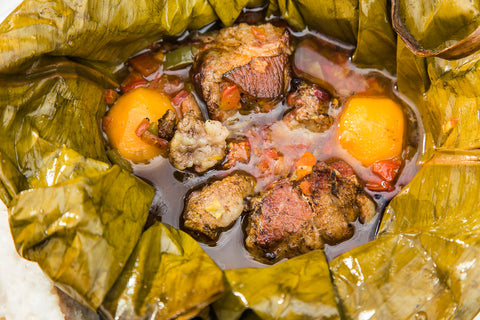
Luwombo, Uganda: A slow-cooked delicacy and cultural treasure wrapped in banana leaves
This article has been updated and moved. Click here to…

Exploring Somalia’s National Cuisine Bariis Iskukaris
This article has been updated and moved. Click here to…